
Mar . 11, 2026 02:15 Back to list
Comprehensive Guide to Wholesale Meat Tenderizer Selection and Usage
Wholesale Meat Tenderizer: A Comprehensive Guide
Sourcing high-quality meat tenderizers in bulk is crucial for businesses in the food processing, restaurant, and butcher industries. Finding a reliable wholesale meat tenderizer supplier can significantly impact efficiency, product quality, and ultimately, profitability. This guide will explore the types of meat tenderizers available, key considerations when purchasing wholesale, the benefits of using mechanical tenderizers, and how to choose the right machine for your specific needs. We'll also cover maintenance and safety to ensure long-term value.
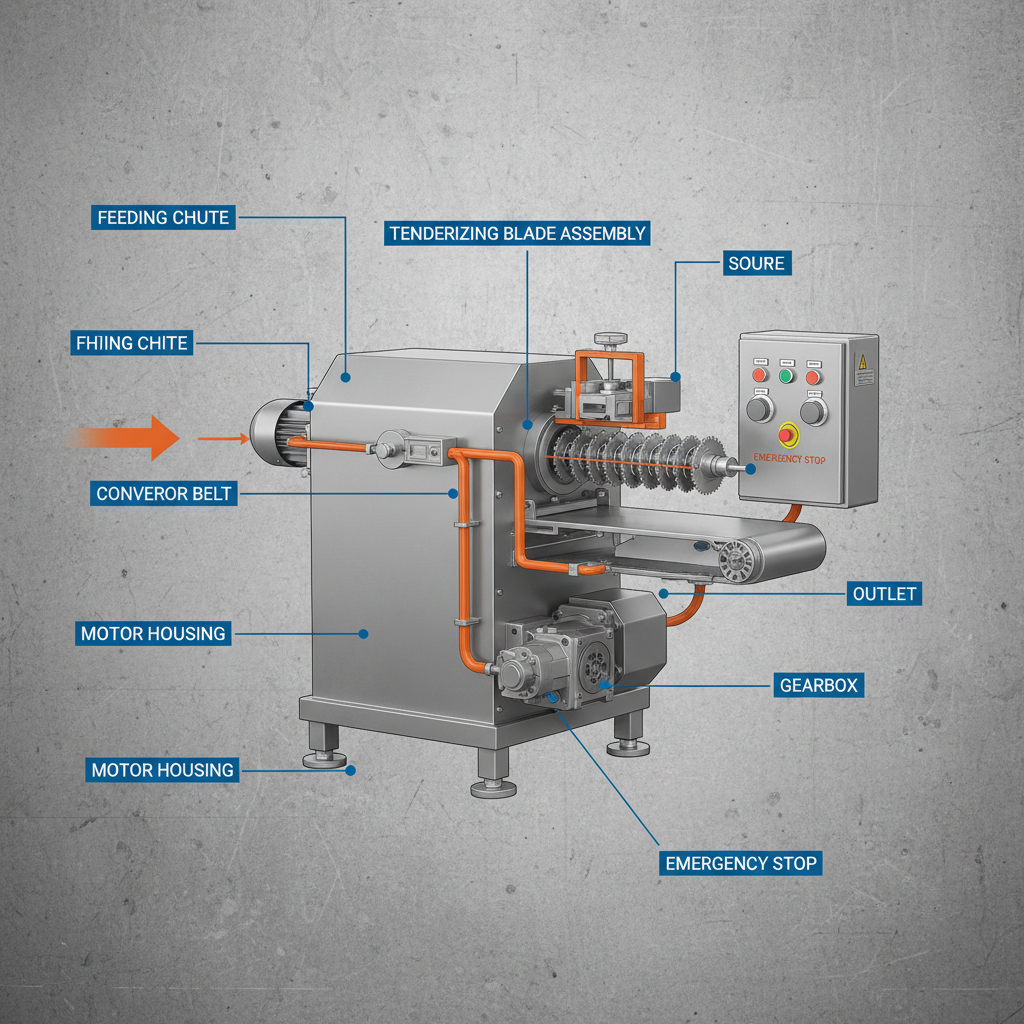
Types of Wholesale Meat Tenderizers
There are several types of meat tenderizers available on the wholesale market. These fall into two main categories: blade tenderizers and needle tenderizers. Blade tenderizers use reciprocating blades to cut through muscle fibers, while needle tenderizers puncture the meat with multiple needles. Each offers distinct advantages depending on the application. Hammer-style manual tenderizers are also available, but less common for large-scale operations. Choosing the correct type of tenderizer is critical for achieving the desired texture and consistency in your meat products. Consider the types of cuts you process most frequently and the level of tenderness you need to achieve when making your selection. Bossin Machinery offers a wide selection of both blade and needle tenderizers designed for diverse processing needs.
Key Highlights: Understanding the different types of meat tenderizers – blade, needle, and manual – is the first step towards finding the optimal solution for your business.
Mechanical vs. Manual Meat Tenderizers
While manual meat tenderizers have their place, mechanical tenderizers are the standard for wholesale operations. Mechanical tenderizers offer significantly higher throughput, consistent results, and reduced labor costs. Manual tenderizers are prone to inconsistencies based on operator fatigue and technique, and are not scalable for large volume processing. The initial investment in a mechanical tenderizer is higher, but the long-term cost savings and improved efficiency make it a worthwhile investment. Mechanical tenderizers also enhance worker safety by minimizing repetitive strain injuries.
Mechanical Tenderizer Advantages:
• Higher Throughput
• Consistent Results
• Reduced Labor Costs
• Enhanced Worker Safety
Choosing the Right Wholesale Meat Tenderizer for Your Needs
Selecting the appropriate wholesale meat tenderizer requires careful consideration of several factors, including the volume of meat processed, the types of cuts handled, and the desired level of tenderness. Factors such as the machine's capacity, blade/needle configuration, and ease of cleaning and maintenance are also important. Consider your floor space and power requirements as well. Furthermore, investigate the supplier's reputation for quality, service, and spare parts availability. Bossin Machinery provides expert guidance to help you choose the optimal machine for your specific application.
Maintenance and Safety Considerations
Regular maintenance is essential for ensuring the longevity and optimal performance of your wholesale meat tenderizer. This includes routine cleaning, lubrication, and blade/needle sharpening or replacement. Always follow the manufacturer's guidelines for maintenance procedures. Safety is paramount when operating meat tenderizers. Ensure all operators are properly trained on safe operating procedures and wear appropriate personal protective equipment (PPE), such as safety glasses and gloves. Regularly inspect the machine for any signs of damage or malfunction and address any issues promptly.
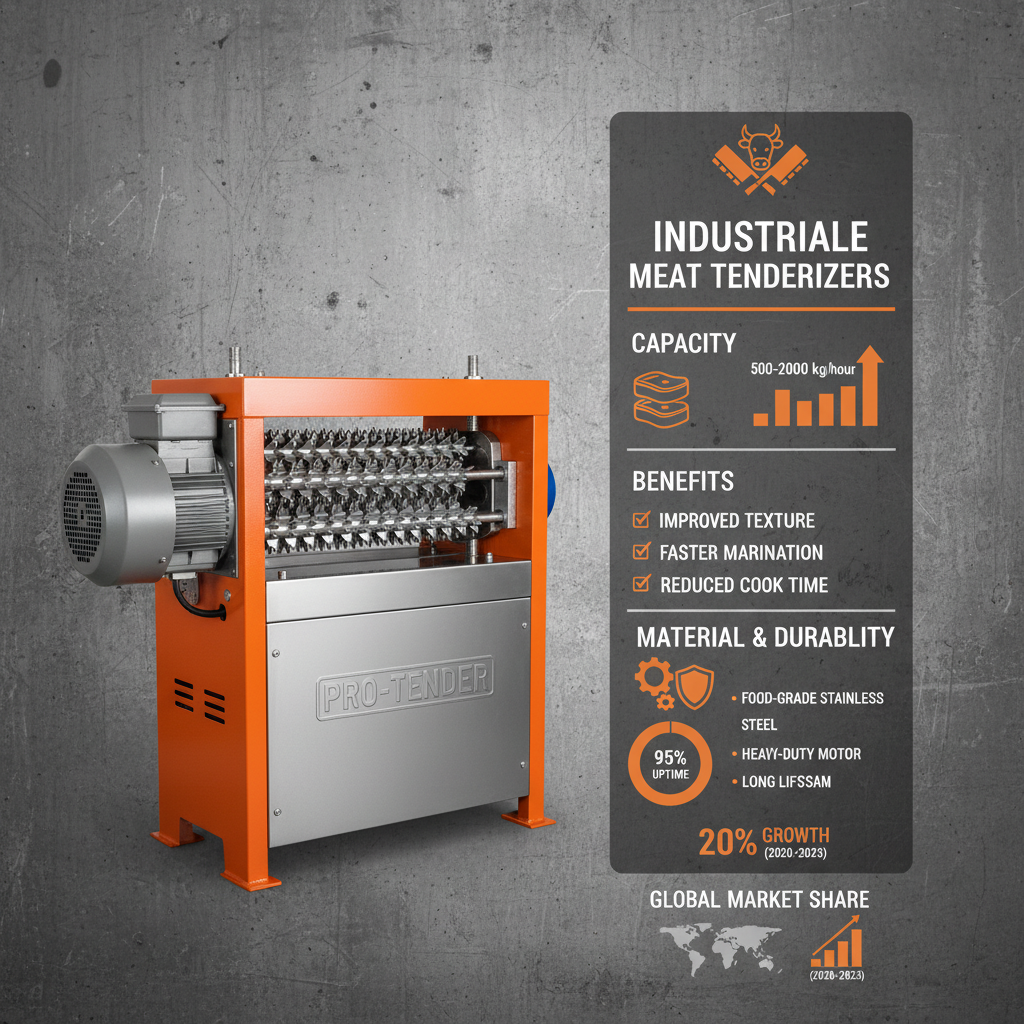
Product Specifications - Bossin Machinery Model BM-T01
Here are the specifications for one of our most popular models:
Conclusion: Investing in Quality Meat Tenderization
Choosing the right wholesale meat tenderizer is a critical investment for any business involved in meat processing. By carefully considering your needs, evaluating different types of machines, and partnering with a reputable supplier like Bossin Machinery, you can ensure optimal performance, efficiency, and product quality. Don’t compromise on quality – invest in a solution that will deliver long-term value.
Frequently Asked Questions (FAQs)
What types of meat are best suited for mechanical tenderization?
Mechanical tenderizers are effective on a wide range of meats, including beef, pork, veal, and poultry. They are particularly beneficial for tougher cuts of meat, such as flank steak, round steak, and chuck roast. However, they can also be used to enhance the tenderness of more tender cuts, like sirloin and ribeye. The type of tenderizer (blade or needle) and the intensity of the tenderization process can be adjusted to suit the specific type of meat and desired outcome.
How often should the blades or needles be sharpened or replaced?
The frequency of blade or needle sharpening or replacement depends on the volume of meat processed and the type of meat being tenderized. Generally, blades should be sharpened or replaced every 6-12 months, while needles may last longer. Regularly inspect the blades and needles for signs of wear or damage. Dull blades or needles will not effectively tenderize the meat and can put extra strain on the machine. Using sharp blades and needles is essential for maintaining optimal performance and product quality.
What safety features should I look for in a wholesale meat tenderizer?
Essential safety features include emergency stop buttons, safety guards to prevent accidental contact with moving parts, and interlocks that automatically shut down the machine if a guard is removed. The machine should also be designed with easy access for cleaning and maintenance. Ensure the machine meets all relevant safety standards and regulations. Proper training for operators on safe operating procedures is also crucial.
Does Bossin Machinery offer installation and training services?
Yes, Bossin Machinery provides comprehensive installation and training services to ensure your machine is set up correctly and your operators are fully proficient in its use. Our experienced technicians will install the machine at your facility and provide thorough training on safe operation, maintenance, and troubleshooting. We are committed to providing ongoing support to our customers.
Latest news
-
Comprehensive Guide to Wholesale Skip Car Solutions for Construction Efficiency
NewsMar.31,2026
-
Investing in a Wholesale Meat Salted Machine for Business Success
NewsMar.28,2026
-
Revolutionizing Burger Production with Wholesale Burger Making Forming Machine Solutions
NewsMar.26,2026
-
Comprehensive Guide to Wholesale Sausage Filler Price and Equipment Selection
NewsMar.24,2026
-
Investing in a Wholesale Beef Slicing Machine for Enhanced Business Efficiency
NewsMar.21,2026
-
Invest in a Wholesale Clipping Machine for Sausages to Optimize Production
NewsMar.19,2026